Communities grow and change, and the buildings that serve them must evolve too. That is exactly where Fluvanna County finds itself today. With increasing service demands, aging facilities, and a need for more efficient public access, the County has launched a forward-looking facilities improvement initiative.
This effort is about creating spaces that help local government work better for the people it serves, both now and in the future.
To shape a smart path forward, the County partnered with Enteros Design to conduct a comprehensive facilities study. The goal was to understand what departments truly need in terms of space, function, and infrastructure.
Through staff questionnaires, interviews, and on-site evaluations, the team built a clear picture of current challenges and future demands. The result is a roadmap that balances renovation, expansion, and new construction. The study wasn’t just about identifying needs, it was about finding the most cost‑effective way to use what the County already has before investing in new construction.
What the Study Revealed
Many of the County’s buildings have served the community for decades, but time has introduced limitations.
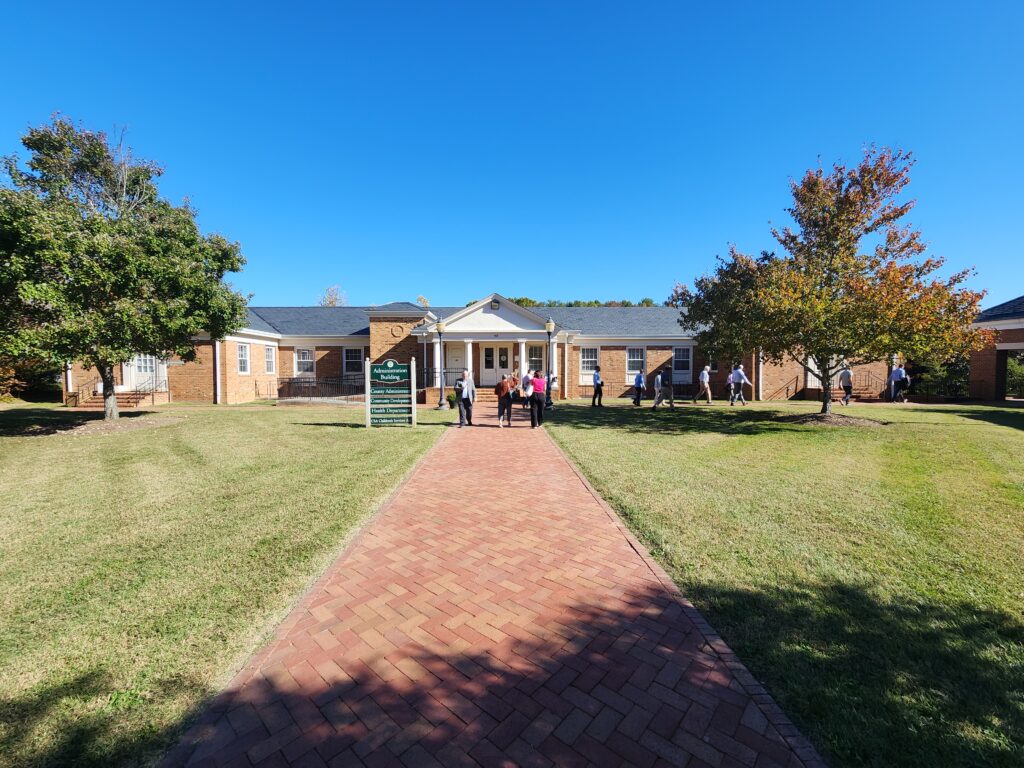
- The Administration Building (built in 1971) is structurally sound but struggles with layout inefficiencies, accessibility limitations, and aging systems.
- The Social Services Building (built in 1934), originally a high school, offers historic character but currently faces space constraints and modernization needs.
- The Courthouse (built in 2000) performs well overall and requires only targeted improvements.
- The Public Safety Building (built in 2001) has long operated beyond its intended capacity, creating strain for critical services such as dispatch and intake.
The facilities still function, but they no longer function at their best.
A Vision Taking Shape
Rather than applying a single solution to every building, the plan Enteros Design developed for the County carefully aligns each facility with its most effective future use.
- The current Administration Building would transition to judicial support functions, with upgrades focused on durability and technology.
- The Social Services Building would be transformed into a community-focused hub for recreation and public services, preserving its historic identity while modernizing interiors and systems.
- The Courthouse would receive modest improvements to enhance efficiency, comfort, and security.
- The Public Safety Building would see major additions to relieve overcrowding and strengthen emergency operations, training, and evidence handling.
- A new County Administration Building is envisioned at Pleasant Grove. This facility would bring key departments together under one roof and prioritize natural light, energy efficiency, and secure public access. Plans also include a civic plaza and parking designed to support convenient, intuitive access for the community.”
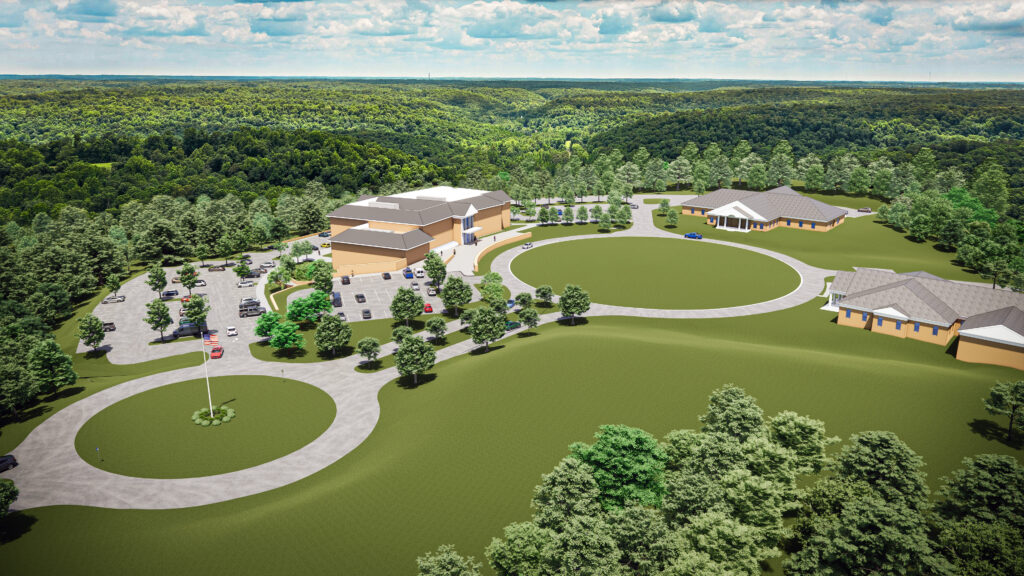
Centralizing services will make it easier for residents to access County resources while giving staff the tools they need to serve effectively.
Why It Matters
At its core, this initiative is about service. These improvements directly support faster service delivery, safer public environments, and more accessible spaces for every resident. Well-designed public spaces also reflect pride, stability, and investment in the community.
By planning ahead, the County can address needs proactively instead of reacting to problems later.
The study provides a planning guide as the County evaluates funding strategies and prioritizes projects within its Capital Improvement Plan. Not every project will happen at once, but the direction is clear. A coordinated approach will strengthen public service delivery and respect taxpayer investment.
Thoughtful planning today sets the stage for a more resilient and responsive County tomorrow, one that can grow confidently while staying true to its long‑term vision for community service.